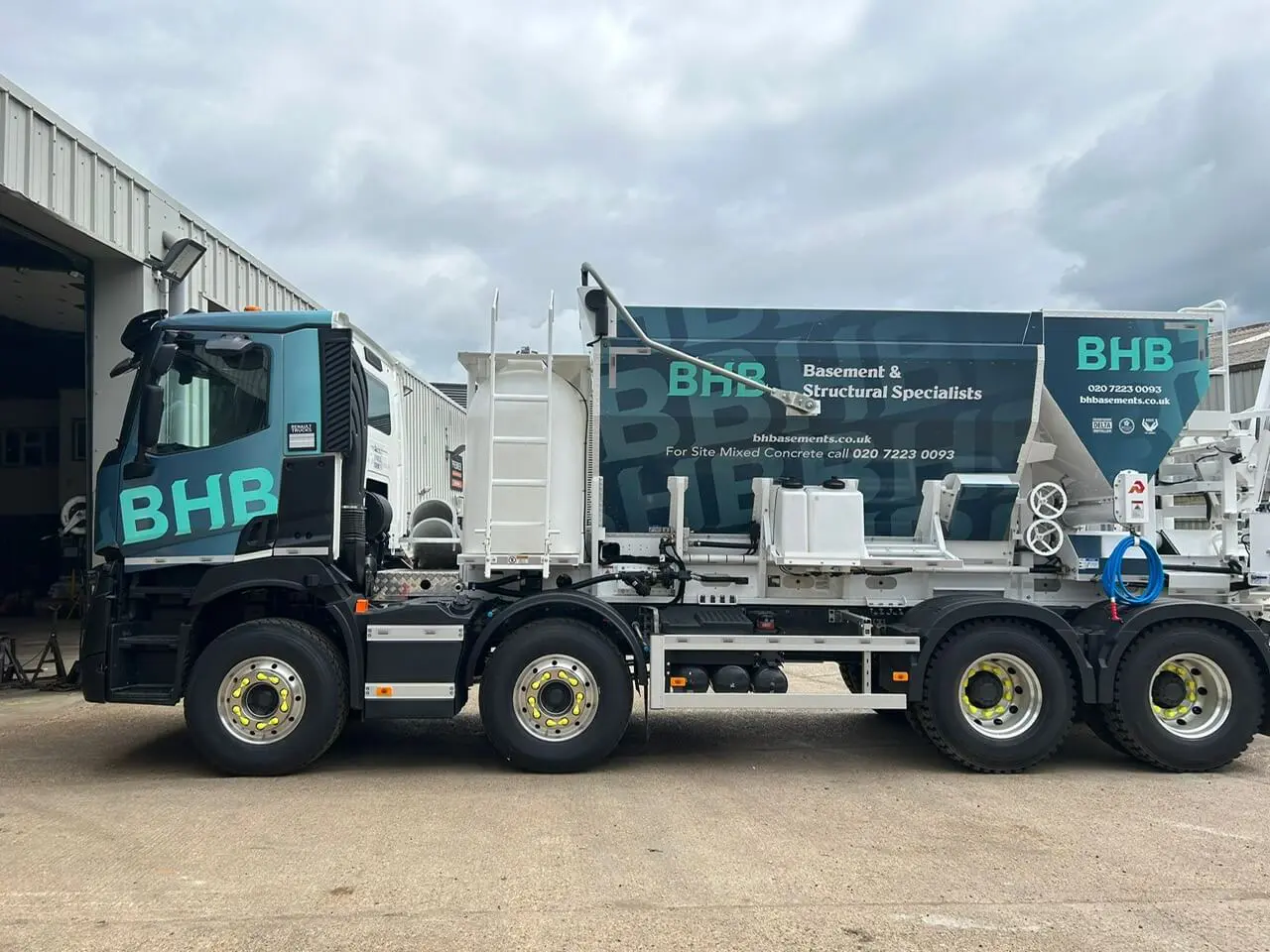
Ready Mix Concrete in Autumn: What Should Be Agreed Before the Pour?
RC Framework
We provide concrete delivery and pumping across Central London, including a ground line pump for...
Spring is often the point when basement projects move from planning into delivery. Weather conditions are more stable, programmes start to tighten, and developers want enabling works and structural packages moving before summer. That makes spring a practical time to start. It can also be the point where rushed decisions create delay, added cost, and avoidable disruption further into the programme.
A basement renovation or below-ground package is not a standard construction exercise. You are working below ground, often on constrained London sites, close to adjoining structures, existing foundations, drainage routes, highways restrictions, and access limitations that need careful review before work starts.
That matters because a project can appear ready on paper while still carrying significant delivery risk. If the structure, permissions, site constraints, temporary works approach, and waterproofing strategy are not clear at the start, problems usually surface later, when the cost of correction is higher and the programme is harder to recover.
This is why many developers and contractors begin by speaking to experienced basement contractors in London with a strong record on complex structural works. The right contractor does more than price the package. They help you understand what the project needs before mobilisation, so you can make decisions that protect budget, programme certainty, buildability, and long-term asset performance.
One common mistake is treating basement work as if it sits in the same category as a straightforward groundworks or refurbishment package. It does not. Once excavation, support sequencing, structural shell delivery, waterproofing, drainage coordination, and temporary works enter the picture, the project demands a different level of technical planning and site control.
The source article raises valid concerns around water issues, structural changes, and long-term basement performance. On larger London schemes, those issues carry more weight because sites often have tighter access, greater neighbour sensitivity, and more commercial pressure around delivery milestones.
That is why the contractor appointment matters so much. You need a team that understands structural shell delivery, below-ground sequencing, and the effect that early technical choices have on cost, logistics, and programme later. Good basement contractors in London working on this type of scheme should be able to support the project from early review through to construction in a way that feels controlled, coordinated, and commercially sound.
Projects often lose momentum because the team treats permissions, approvals, and third-party interfaces as matters to resolve after appointment. That approach usually creates friction. On larger schemes, this may include planning conditions, party wall matters, building control coordination, neighbour risk, logistics planning, and utility considerations.
This is not only an administrative issue. It directly affects how confidently you can move into delivery. If approvals, interfaces, or technical submissions remain unclear at mobilisation stage, the project may slow before meaningful site progress begins. For developers, that can affect wider programme sequencing, follow-on trades, and funding assumptions. Early specialist input gives the team a clearer sequence and a more realistic route to site start.
Price matters, but it should not be the only measure. A basement contractor does not add value by submitting the lowest figure if the package then suffers from weak planning, poor sequencing, inadequate supervision, or repeated adjustments after site start.
The better question is this. What does the appointment give your team in return for that cost? Does it provide stronger control of structural issues, better management of temporary works, clearer communication, and a more realistic construction sequence? If not, the lowest tender can become the most expensive outcome.
This is where we have a strong position. We bring over 35 years of industry experience and personally oversee projects with the wider team. That matters on larger basement works because successful delivery depends on judgement, coordination, and informed decision-making at the right time. It does not rest on labour alone.
If you want to move a basement project forward this spring, start with the decisions that create better control later in the programme. Review the structural demands, access constraints, drainage conditions, logistics, temporary works strategy, and permissions pathway first. Then build the programme around that reality. BH Basements supports clients through this early stage so the project begins from a sound technical and commercial position, not from assumption.
A basement level needs to perform well after practical completion, not only look complete at handover. On larger residential and mixed-use schemes, poor decisions at basement level can affect maintenance risk, occupant experience, long-term operational cost, and asset value.
That matters because weak decisions in these areas often show up later in the life of the building. A space may meet the visual brief while still performing poorly if moisture control, ventilation, waterproofing, or environmental design have not been resolved properly. Spring is often the point when teams push to maintain momentum, but that pressure should not reduce attention on long-term performance.
A strong below-ground strategy should improve the way the completed asset functions in practice. It should create dependable, usable space, protect long-term condition, and reduce the risk of remedial work after completion. That future-focused view gives the project more value and helps separate a well-managed scheme from one that simply moved too quickly.
The biggest missed opportunity in many spring basement schemes is not one isolated mistake. It is the failure to connect early decisions with future projects outcomes. Good pre-construction planning helps protect programme certainty. Sound structural thinking helps reduce redesign and delay. A clear waterproofing and ventilation strategy supports long-term performance. An experienced contractor helps reduce disruption and gives the wider team more confidence through delivery.
That is the real value of choosing experienced basement contractors in London for major schemes. You are not only procuring construction capability. You are securing foresight, coordination, and a better chance of delivering the structural package without the project drifting off course.
Speak to us today before the programme becomes harder to control. Early contractor input can help your team review the structure, permissions pathway, access constraints, and likely build sequence so you can move forward with greater clarity and fewer avoidable risks.
Spring can be a strong time to begin basement works, but only if you avoid the mistakes that place pressure on delivery from the outset. Large basement schemes need proper investigation, clear structural thinking, a realistic permissions route, and a contractor who understands how to manage below-ground construction on constrained London sites.
Basement Construction
For further information about BH Basements, please do not hesitate to get in touch. We are always happy to help.

For more captivating insights and expert advice, delve into BH Basements’ diverse range of blog articles.
We provide concrete delivery and pumping across Central London, including a ground line pump for...
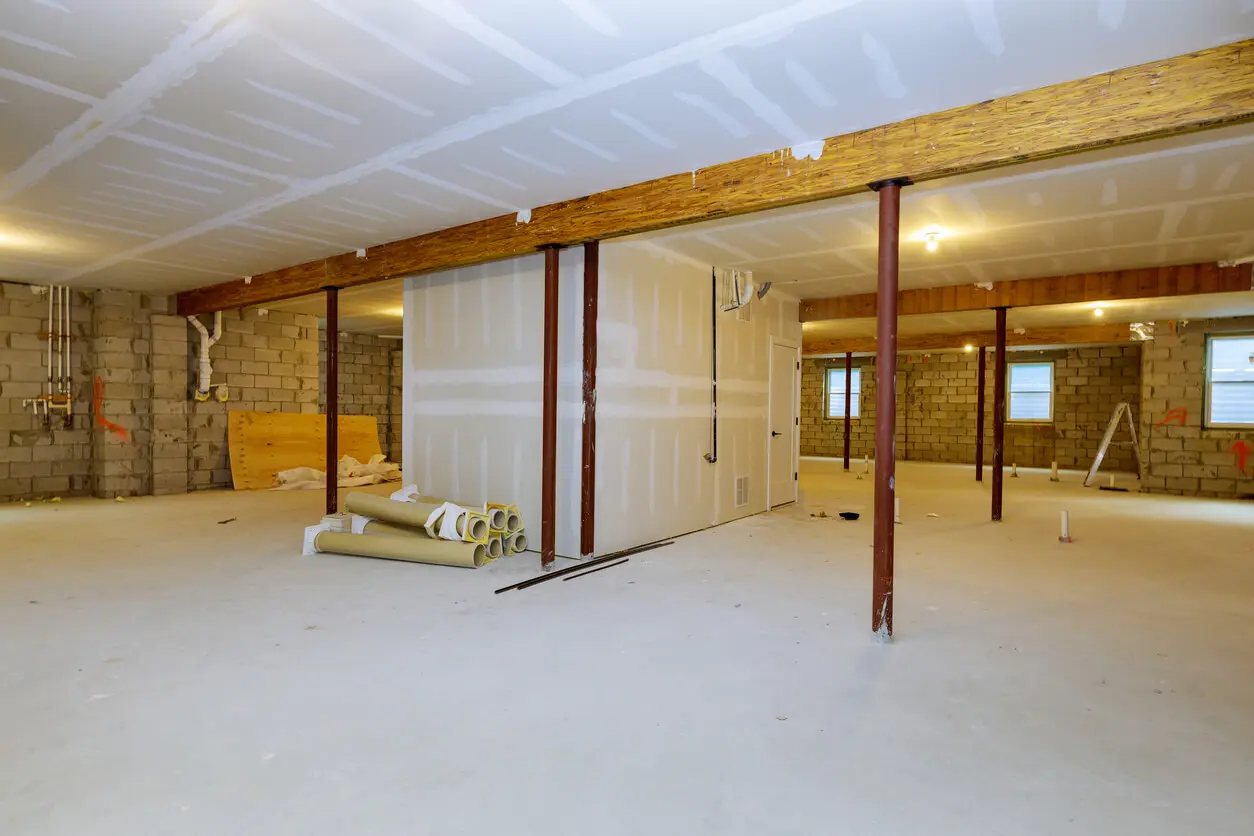
Our basement construction service covers projects from soil analysis and pre-construction planning through to the...

Building a basement is a significant investment and ensuring that it remains dry and protected...