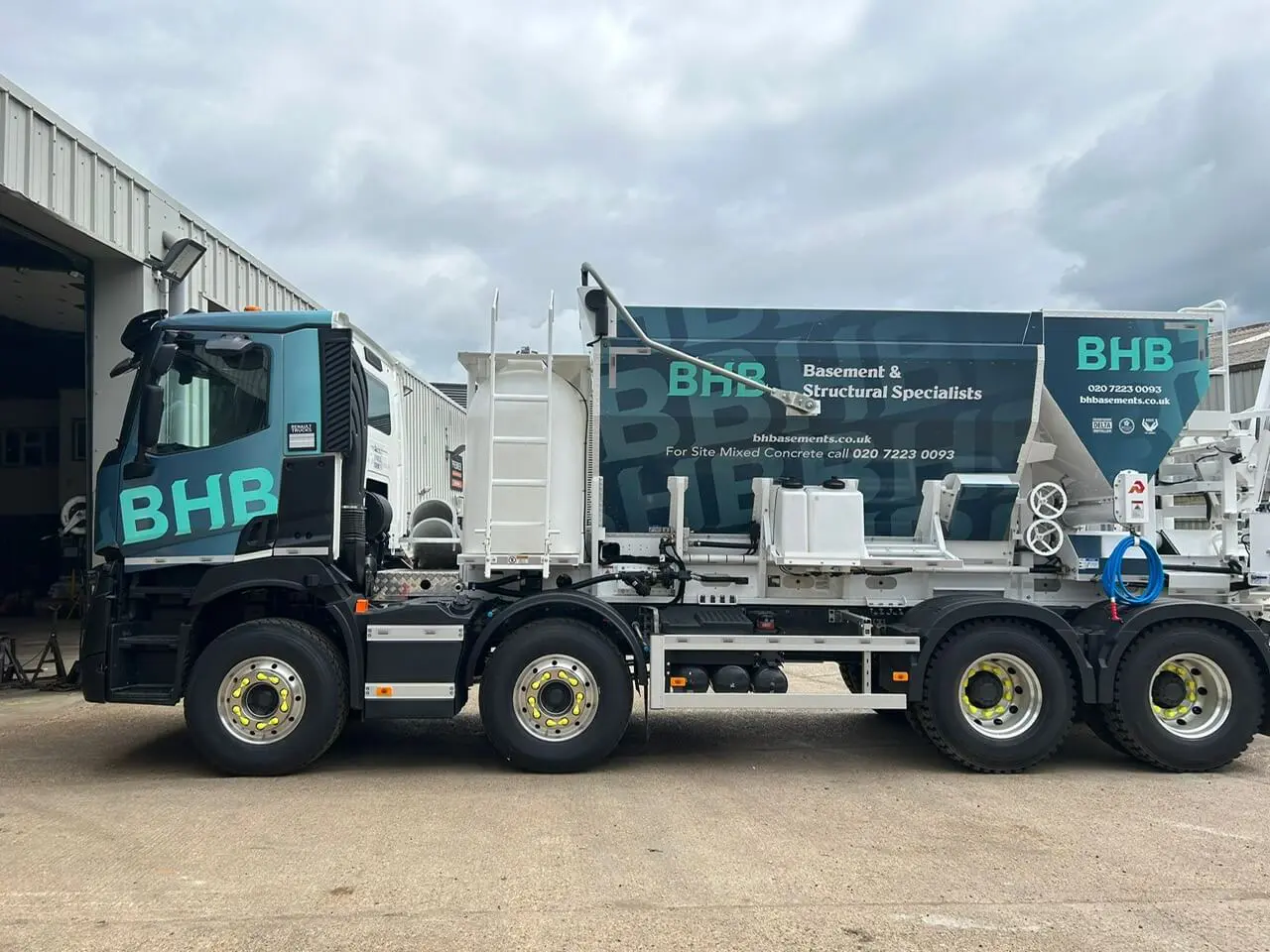
Ready Mix Concrete in Autumn: What Should Be Agreed Before the Pour?
RC Framework
We provide concrete delivery and pumping across Central London, including a ground line pump for...
Basement construction in London often means working below existing buildings that need to keep their external character. In conservation areas, period streets and high-value residential locations, the frontage may need to stay in place while the structure behind it changes completely.
Façade retention protects and supports the existing building frontage during demolition, excavation and reconstruction. For clients, the main concern is not only how the frontage will stand during the works. You also need to know how the retained elevation will connect safely into the new basement and structural shell.
That requires early planning, accurate sequencing and a contractor who understands how temporary works, demolition, piling, excavation and permanent structure interact on a live London site.
Façade retention keeps the external face of a building in position while internal structures behind it are removed or rebuilt. The project team installs a temporary support system before demolition starts, then maintains that support until the new structure can provide permanent stability.
On a basement project, this creates a more complex construction sequence. The retained frontage may sit above or beside deep excavation works. Existing masonry may have age-related defects, previous alterations or limited structural capacity. Access may also restrict the size of plant, steelwork and temporary support systems that can reach the site.
A structural shell specialist needs to understand these conditions before work starts. Good planning reduces the risk of late design changes, unclear sequencing and site delays.
London sites place extra pressure on construction teams. Many properties sit close to neighbouring buildings, highways, pavements, live services and occupied homes. You may have limited space for deliveries, restricted working hours and detailed party wall requirements.
These conditions affect every part of retained frontage work. A support frame that looks straightforward on a drawing may clash with access routes, proposed steelwork, crane positions or excavation sequencing once the project moves onsite.
BH Basements brings practical structural shell experience to these early decisions. The team can review how the works will be built, not only how they appear in principle. That distinction matters because the safest and most efficient method depends on buildability as much as design intent.
Temporary works hold the retained frontage stable while the building changes around it. The design may include steel frames, propping, bracing, walers, needles or other engineered support systems depending on the property and site conditions.
The system must manage loads safely during each stage of work. As demolition progresses, load paths change. As excavation deepens, the relationship between the façade, ground, neighbouring structures and new basement changes again.
This is why the project needs clear sequencing. The contractor must understand when supports go in, when demolition can proceed, when excavation can continue and when the permanent structure can take over.
Poor coordination can create avoidable delays. It can also lead to awkward temporary works clashes, additional redesign and pressure on the programme. Strong planning gives your wider design team a clearer route through the works before site activity begins.
A retained frontage cannot sit separately from the new building forever. The permanent structure must eventually provide the support that temporary works provide during construction.
That interface needs careful attention. The new basement walls, slabs, columns and structural connections must work with the retained elevation. The contractor must also consider tolerances, movement monitoring and the practical order of installation.
For clients, this affects cost certainty and programme control. If the project team only focuses on keeping the frontage upright during demolition, it may miss how the retained structure will connect into the final build. A specialist contractor looks ahead to that future stage from the beginning.
Before appointing a contractor, ask how they will manage the relationship between the retained frontage, temporary works and new basement structure. You should also ask how they will coordinate demolition, excavation, monitoring and structural shell construction.
A useful discussion should cover the temporary works strategy, the planned sequence of demolition and excavation, movement monitoring, access constraints, party wall interfaces, site safety controls and the point where the permanent structure takes over from temporary support.
These questions help you understand how the contractor thinks. A credible answer should feel practical, specific and linked to your site conditions.
Clients often focus on the visible frontage because it carries planning, heritage or architectural value. The bigger construction risk usually sits in the coordination behind it.
A structural shell specialist helps your team move from concept to construction method. That support can improve decision-making across design, programme and site management.
For example, if the temporary frame blocks a future steel installation route, the issue needs resolving before procurement and site mobilisation. If excavation sequencing affects the retained elevation, monitoring and hold points need building into the programme. If access limits plant or deliveries, the method needs reflecting real site logistics.
These are practical construction issues. They need input from people who have delivered complex basement structures in constrained London locations.
BH Basements specialises in complex structural shells, basement extensions and piling across central London. We personally oversee projects with an experienced team, bringing 35 years of combined industry experience to technically demanding schemes.
As an ASUC member, BH Basements works to high standards across technical knowledge, health and safety, training and project delivery. That matters on retained frontage projects because the work requires disciplined sequencing and clear communication between the client, engineer, architect and site team.
Façade retention adds complexity to basement construction, but it can also unlock valuable development potential while preserving the external character of a London property.
The best results come from early planning, practical sequencing and a contractor who understands how retained elevations, temporary works and new structural shells connect. When your team gets those decisions right at the start, the project has a stronger chance of moving through site with fewer surprises.
If you are planning a basement extension or complex structural shell project in central London, we can help you assess the construction method, temporary works interfaces and practical delivery requirements before work begins.
Basement Construction
For further information about BH Basements, please do not hesitate to get in touch. We are always happy to help.

For more captivating insights and expert advice, delve into BH Basements’ diverse range of blog articles.
We provide concrete delivery and pumping across Central London, including a ground line pump for...
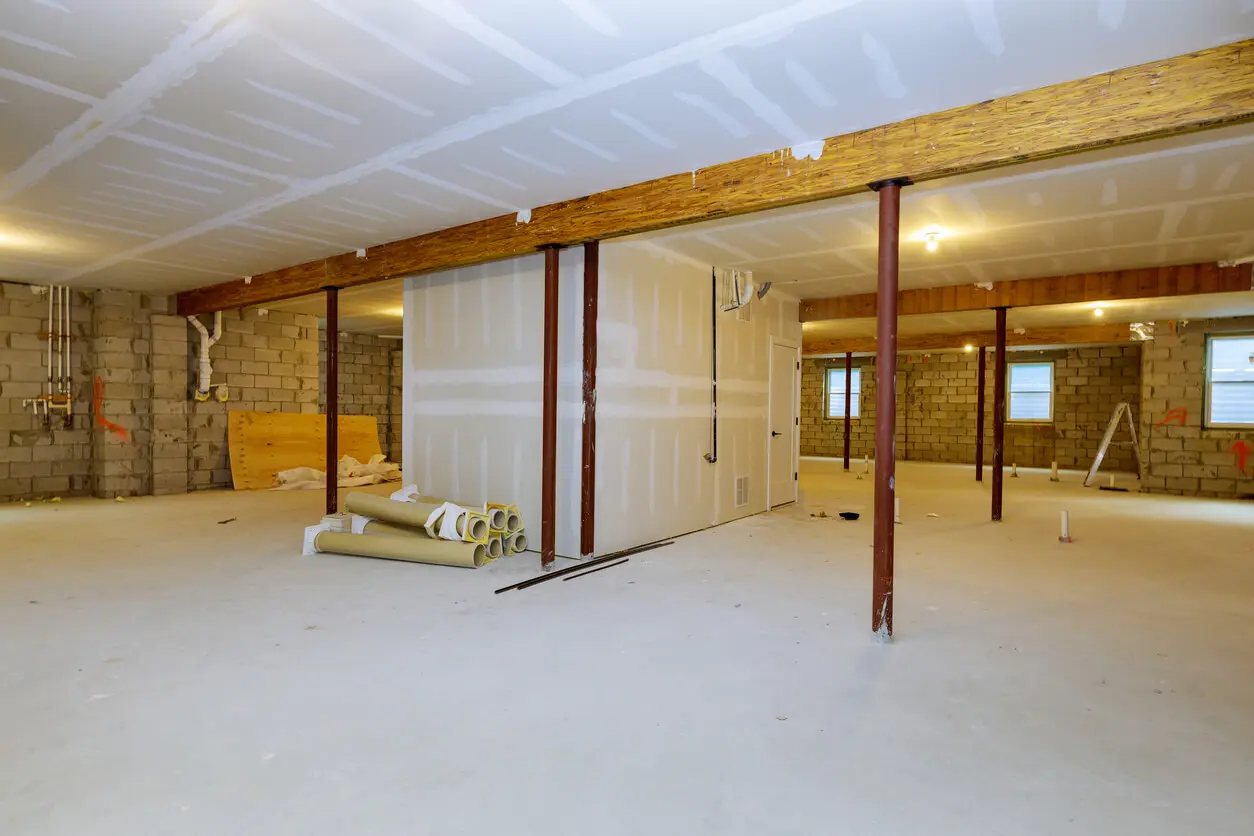
Our basement construction service covers projects from soil analysis and pre-construction planning through to the...

Building a basement is a significant investment and ensuring that it remains dry and protected...