
Ready Mix Concrete in Autumn: What Should Be Agreed Before the Pour?
RC Framework
We provide concrete delivery and pumping across Central London, including a ground line pump for...
Space is always under pressure in London. For many property owners and development teams, the question is not simply how to gain more room, but how to do it in a way that is commercially sound, structurally viable, and practical to deliver. Basement renovation can be a strong solution, but only when the property is genuinely suited to the work and the technical detail is understood early.
That is the point many articles miss. Basement projects fail because the idea sounds strong on paper. They succeed because the structure, ground conditions, access, drainage, and construction demands have all been reviewed properly before the design moves too far. A specialist London basement company should help you answer that from the outset.
The first step is to assess the property as it stands today. Some buildings already have cellar or lower-ground space with enough potential to justify renovation. Others need major excavation, underpinning, and structural intervention to create a basement that is safe, compliant, and commercially worthwhile.
The existing structure shapes almost every decision that follows. You need to understand current head height, the likely depth and condition of foundations, the form of retaining walls, the route of services and drainage, and how much excavation may be needed to achieve a usable layout. A basement with poor height can still be developed, but deeper excavation, more underpinning, and greater structural complexity usually follow.
That matters because feasibility is not only about possibility. It is about value, programme, and delivery risk. Can the work be carried out in a way that protects budget, timescale, neighbouring structures, and long-term performance? If the answer is uncertain, you need evidence early.
Once a project moves below ground level, the site itself becomes a major part of the brief. Soil type, groundwater, drainage behaviour, and the relationship with surrounding structures can all affect the structural route.
This is one reason basement work in central London needs careful early review. A property may appear suitable from plans alone, then become more involved once site investigations start. If the ground carries more water than expected, if support conditions are weaker than assumed, or if surrounding structures sit closer to the excavation zone than first thought, the design may need to change.
That is not unusual. It is part of serious basement construction. The real issue is timing. If these points are found early, the team can respond properly. If they are found late, they can push redesign, cost growth, and delays.
A strong London basement company should help you look past the idea of extra space and focus on what it will take to deliver that space well.
In London, the difficulty of a basement project is often shaped by the setting around the building as much as by the building itself. Tight access can affect plant movement, spoil removal, deliveries, and sequencing. Shared walls and close boundaries can add legal and practical considerations. Roads, façades, and adjoining properties can all shape buildability.
The Party Wall etc. Act 1996 can apply where basement works affect adjoining owners or involve excavation near neighbouring buildings. That matters because suitability is never judged by floor area alone. A space may look workable on a drawing, but if access is restricted or neighbour interfaces are sensitive, the route to construction may become far more demanding.
This is why early contractor input matters. You need a view on how the project will be built, not just how it may look once complete.
Concrete testing is one of the most useful technical checks in a basement project, yet it often enters the conversation too late. That is a mistake because it can influence design decisions at a stage when change is still manageable.
If your basement renovation involves retained concrete, underpinning interfaces, structural alterations, or new concrete tying into old construction, the design team may need reliable information about the existing material. Drawings and assumptions only go so far. Testing helps confirm what condition the concrete is in, how it is likely to perform, and what that means for the proposed works.
In practical terms, concrete investigation may support decisions around strength, cover to reinforcement, carbonation depth, chloride presence, cracking, and local deterioration. Not every project needs the same level of testing, but where structural condition is uncertain, this work can help the team avoid designing around assumptions that later prove wrong.
That is the real value. Concrete testing is not there to make the scheme sound more technical. It is there to give the engineer and contractor a firmer basis for structural decisions before the project reaches site.
A lot of wasted cost in basement work comes from one problem. The scheme moves forward before the major unknowns have been properly examined. Once that happens, design time and expectation keep building, even if the technical basis is still weak.
Early technical review helps reduce that risk. It allows you to test the assumptions behind the scheme before you commit more time and budget. If the property is a strong candidate for basement renovation, you can move ahead with greater confidence. If the project needs a different approach, you can find that out before the design needs reworking.
This is where we can help. We bring 35 years of industry experience to every project. We personally oversee each scheme with our experienced team. We specialise in basement construction, structural shells, piling, and concrete works across central London, with a strong focus on technical delivery, staff training, and health and safety.
For you, that means clearer advice at the right stage. You can assess structure, buildability, and likely technical demands before the project moves too far.
If you are still deciding if a property is suitable, this is the right time to get technical input. An early review can help you understand the likely structural route, the practical constraints of the site, and the value of checks such as concrete testing before more design cost is committed. That gives you a firmer basis for the next decision and helps reduce the chance of avoidable redesign later.
No serious contractor should confirm suitability from a few photos or a basic floor plan. Still, some indicators are positive from the start.
A property may have stronger basement potential if it already has lower-ground space with workable dimensions, if access is manageable, if neighbouring conditions do not create unusual delivery constraints, and if the structure appears capable of supporting the level of intervention required.
The intended end use matters too. A basement should not only be buildable. It should also work well once complete. For some projects that may mean premium living space. For others it may support amenities, plant areas, leisure use, storage, or wider value creation within the building. That future view is important because a good basement renovation can improve how the property performs, reduce pressure on the rest of the layout, and create more usable commercial or residential value over time.
Some properties call for a more careful feasibility stage. Limited head height, uncertain foundation depth, signs of damp or deterioration, restricted access, complex party wall conditions, and unclear structural history can all increased risk. None of those points automatically rule out a basement project. They do mean that evidence should come before commitment.
This is often where concrete testing becomes more valuable. If the existing structure needs to be assessed before a structural solution is confirmed, testing can support better decisions and reduce the chance of change once work is under way.
A dependable London basement company should explain those points clearly. You need practical advice on what the property can support, what should be investigated first, and where the pressure points in the scheme are likely to sit.
Basement renovation is not only about adding room below ground. It is about making sure your investment is backed by the right technical decisions from the start. If the structure, access, surrounding conditions, and existing materials are understood early, you are in a stronger position to control cost, manage risk, and achieve a finished space that performs as intended over time.
If you are considering a project in London, we bring the technical and delivery experience needed to assess the scheme properly at an early stage. We work across basement construction, piling, concrete, and structural shell projects, which means we can help you look beyond the idea itself and focus on what it will take to deliver it successfully. A reliable London basement company should offer more than broad reassurance. You need clear advice that helps you make informed decisions and move forward with a realistic plan.
If you are planning a basement renovation and want expert guidance on what a property can realistically support, speak to us today to find out more. We can help you assess feasibility, identify the main technical considerations, and understand the right next steps before more time and budget are committed. Contact our team to discuss your project and take the first step towards a basement space that is practical, well planned, and built to perform.
Basement Construction
For further information about BH Basements, please do not hesitate to get in touch. We are always happy to help.

For more captivating insights and expert advice, delve into BH Basements’ diverse range of blog articles.
We provide concrete delivery and pumping across Central London, including a ground line pump for...
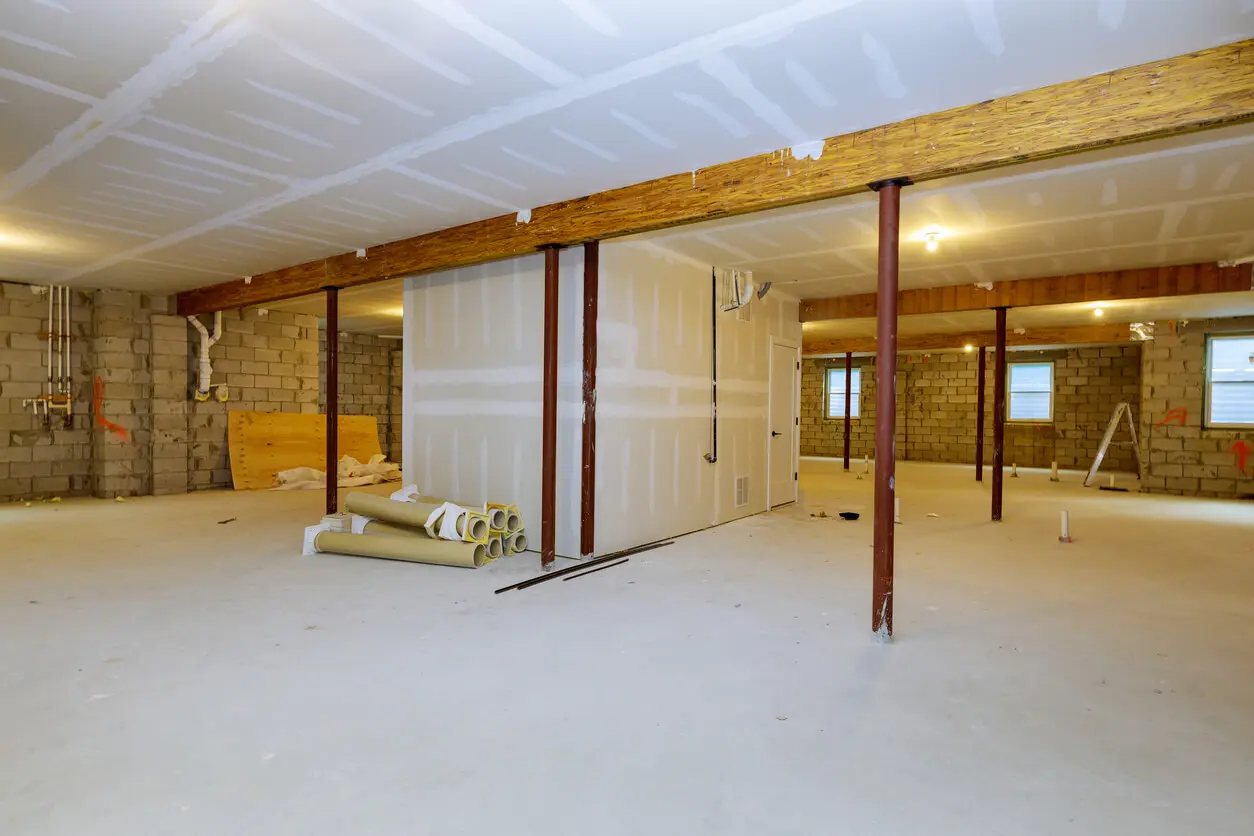
Our basement construction service covers projects from soil analysis and pre-construction planning through to the...

Building a basement is a significant investment and ensuring that it remains dry and protected...