
How to Know if Your Property Needs Basement Underpinning
Basement Underpinning
Discover how to build a safe, durable commercial basement in London. Avoid structural risks and...
Basement underpinning can take around 8 to 12 weeks for the main structural phase on many London residential projects, but the full programme often runs for several months once surveys, design, planning, party wall matters, excavation, waterproofing, and fit out are included.
Smaller schemes may move faster, sometimes within 4 to 8 weeks for the main structural works. Larger or more complex properties can take longer, particularly in Central London where access, neighbouring buildings, ground conditions, and planning requirements all affect the sequence.
The most useful question is not only “how long will it take?” A better question is: what needs to happen before work starts, and what could slow the project once the site opens?
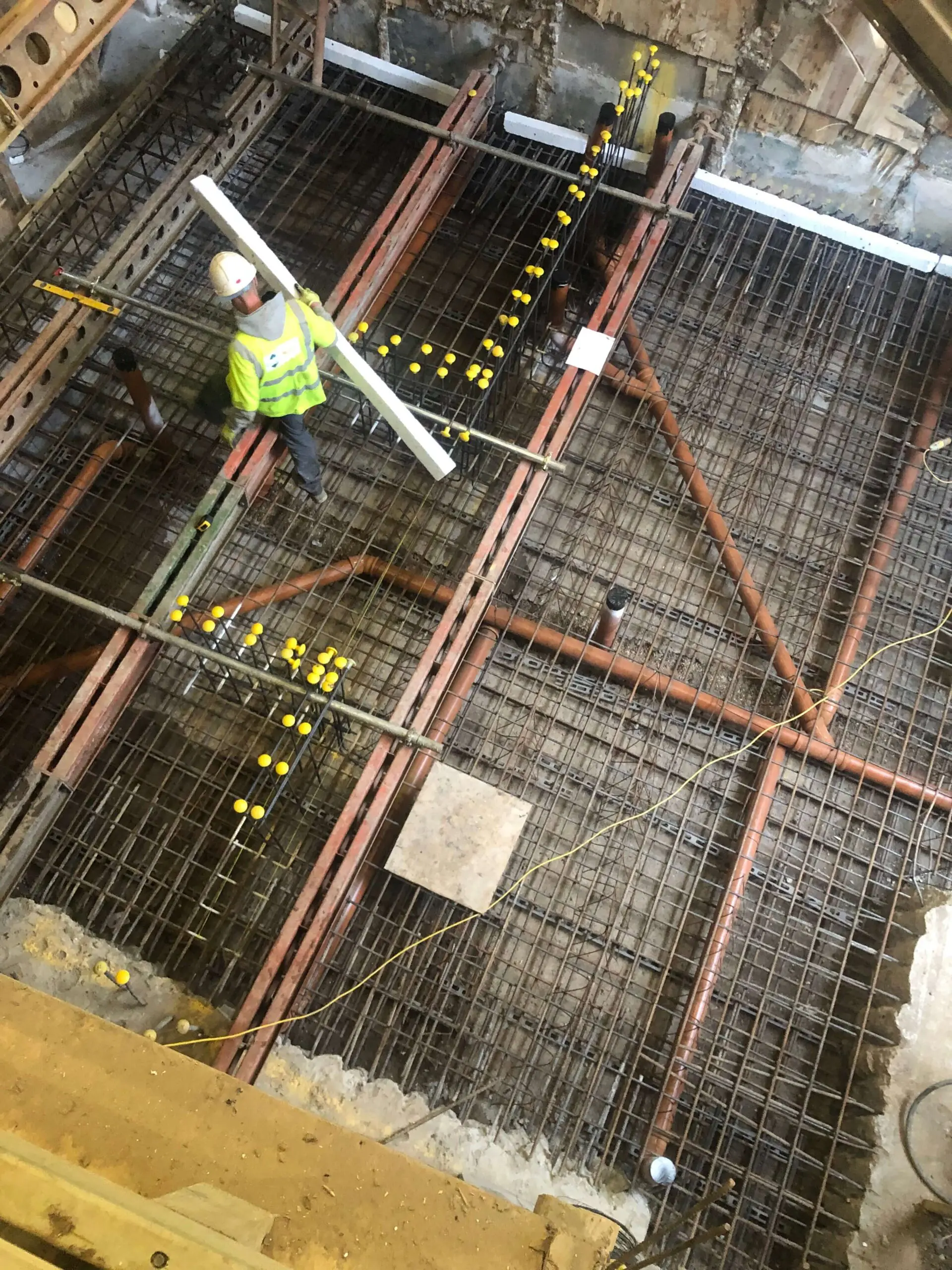
Basement underpinning strengthens and extends the existing foundations of a property so excavation can take place beneath or beside the structure. Contractors work in carefully controlled sections because the building must stay supported throughout the process.
In London, this often involves older terraced, semi-detached, or period properties with shallow foundations, restricted access, and shared walls. A contractor cannot simply excavate the full area at once. The work must follow a designed sequence, with structural checks at each stage.
This is why early planning matters. Good sequencing protects the property, supports neighbouring structures, and gives the construction team a workable route through the project.
For many London homes, the main basement underpinning phase takes around 8 to 12 weeks. This covers the structural strengthening and staged excavation work, not the whole basement project from first survey to final finish.
A smaller project with straightforward access and predictable ground conditions may complete the main underpinning phase in 4 to 8 weeks. A larger basement, deeper excavation, swimming pool structure, or complex structural shell can take longer.
The total construction programme may then extend across several months. Once the main structural work finishes, the project may still need waterproofing, drainage, concrete works, services, insulation, floor build-ups, finishes, and specialist fit out.
For high-end London basement projects, the final specification often has a major effect on timescales. A simple storage or utility space needs a different programme from a gym, cinema room, plant room, or swimming pool.
London creates practical constraints that many homeowners do not see at the start.
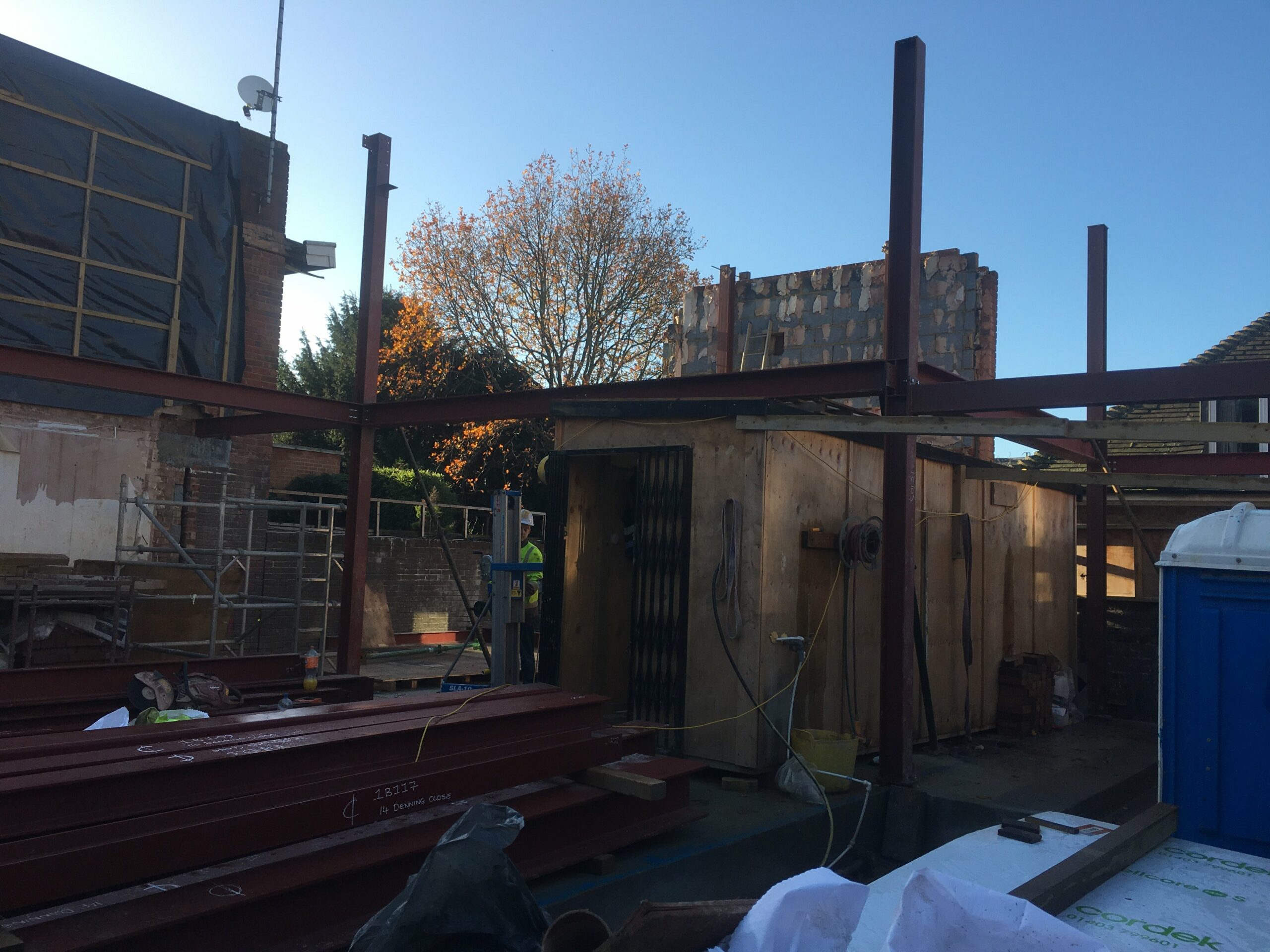
Access is one of the biggest issues. Many properties sit on narrow residential streets with limited space for skips, deliveries, temporary works equipment, and concrete operations. Spoil removal can also slow the programme when contractors need to move material through restricted routes.
Neighbouring properties also influence the timeline. Party wall agreements, structural monitoring, and surveyor involvement can add time before work starts. On attached properties, the construction team must consider how excavation affects shared or nearby structures.
Ground conditions can also change the sequence. London clay, historic foundations, drainage routes, groundwater, and buried obstructions can all affect progress. A good contractor will plan for likely risks, but no responsible team should ignore what the ground reveals once excavation begins.
Planning requirements can also affect the start date. Some boroughs assess basement proposals in detail, particularly where conservation areas, flood risk, trees, highway restrictions, or neighbour concerns apply.
If you want to build within the next year, start the feasibility and design process as early as possible. The pre-construction stage can take longer than expected, particularly when planning approval and party wall matters apply.
A realistic early programme gives you time to appoint the right professional team, complete surveys, develop structural drawings, prepare planning documents, speak with neighbours, and understand the likely cost before construction begins.
Starting early also helps you make better decisions. You can review access routes, structural sequencing, temporary works, and waterproofing strategy before the project reaches site. That reduces pressure later and gives your contractor a stronger basis for delivery.
A basement project works best when design and construction planning connect early. We support clients across Central London with complex structural shells, piling, basement extensions, and high-end residential projects from concept through to delivery.
If you are planning a basement beneath your property, early advice can help you understand likely timescales, site constraints, and the right construction sequence before you commit to the next stage.
No contractor should promise a fixed timeline without reviewing the property, drawings, access, structural requirements, and ground conditions. A realistic programme comes from proper investigation and practical site planning.
The most reliable projects usually start with a clear feasibility review. This allows the team to assess foundation depth, property age, wall positions, drainage, neighbour risk, and likely temporary works. It also gives the client a clearer view of cost and duration before major decisions are made.
Clear communication also matters. Homeowners need to understand which parts of the programme depend on approvals, surveyors, concrete curing, inspections, and site logistics. Delays often happen when clients assume the construction phase can compensate for missing information at the start.
For London basement work, the safest and most efficient route usually comes from planning the sequence properly, not from trying to force speed into a structural process.
A strong programme gives the whole team a better chance of delivering the project safely, efficiently, and within a controlled budget.
It helps engineers design around real site conditions. It helps contractors plan labour, deliveries, excavation, concrete works, and temporary support. It also helps homeowners understand when disruption may happen and how long the property may remain under construction.
Done properly, basement underpinning gives your property the structural support needed for a new lower-ground space. Done without enough planning, it can create avoidable delays, neighbour issues, and cost pressure.
If you are considering basement underpinning in London, speak to us today to find out more.
With 35 years of industry experience across the directors and a strong track record in Central London basement construction, we can help you understand what your property needs, what may affect the timeline, and how to plan the work from early feasibility through to construction.
Basement Underpinning
For further information about BH Basements, please do not hesitate to get in touch. We are always happy to help.

For more captivating insights and expert advice, delve into BH Basements’ diverse range of blog articles.
Discover how to build a safe, durable commercial basement in London. Avoid structural risks and...
Piling How Concrete Piling Supports Construction on Challenging Sites Wed, 2 Sep 2026 Challenging construction...
Basement Extensions How Basement Extensions Are Being Used to Maximise Property Value Thu, 27 Aug...