Ready Mix Concrete in Autumn: What Should Be Agreed Before the Pour?
RC Framework
We provide concrete delivery and pumping across Central London, including a ground line pump for...
Spring often gives homeowners the first clear window to move a basement project forward. You may have planning in place, drawings under review, or early conversations underway with architects and engineers. At this stage, it can feel natural to focus on start dates, finishes, access and budget.
However, the technical decisions made before work begins will shape how the project performs for years.
If you are planning basement construction before summer, concrete testing deserves early attention. It helps confirm that the concrete used in the structural shell meets the required specification, supports the engineer’s design and performs correctly once the basement sits under load.
A basement must deal with ground pressure, water pressure, structural movement and restricted working conditions. These factors make early planning more important than many homeowners first realise. Concrete testing, sound detailing and experienced site management can reduce avoidable delays and give your project a more controlled route from feasibility to handover.
Many homeowners aim to begin construction before or during summer because site conditions can appear more favourable. Longer daylight hours can help site progress, and better weather can make some external works easier to plan.
Yet basement projects do not run smoothly because of the season alone. They run smoothly when the technical sequence has proper planning behind it.
Before excavation starts, your team should understand the soil conditions, proposed structure, waterproofing strategy, temporary works and concrete requirements. If these areas remain unclear, the project can face delays once the ground opens up and decisions need quick answers.
Early planning gives your contractor and professional team time to review the build method properly. It also helps align the concrete specification with the structural design, access constraints and pumping requirements.
This matters because a basement shell leaves little room for guesswork. Once concrete has been poured, any defect or shortfall can prove costly to investigate and put right.
Concrete testing gives your project team measurable information about the concrete used during the build. In basement work, contractors often take cube samples during pours and test them after set curing periods. These results help confirm compressive strength against the design requirement.
That process sounds simple, but the information it provides can protect the project.
If the concrete does not reach the expected strength, your engineer may need further checks before the next stage continues. That can affect programme dates, trades, waterproofing work and follow-on construction.
Concrete testing can also highlight issues linked to mix consistency, water content, placement, compaction or curing. These are practical site concerns, not paperwork details. A well-managed contractor treats testing as part of quality control during the build, not as an afterthought once the pour has finished.
For a homeowner, this gives more confidence that the structural shell can support the future use of the space.
A basement project can look organised on drawings and still face problems on site if construction planning lacks detail. Concrete sits at the centre of that risk because it forms the walls, slabs and other structural elements that need to perform under pressure.
Poor planning can lead to unclear pour sequences, access problems for pumping, weak coordination around waterproofing joints, or rushed decisions when inspections identify an issue.
These problems can affect the future use of the basement. A small weakness in detailing can later contribute to water ingress, cracking, movement or remedial work. That risk increases on constrained London sites where neighbouring buildings, tight access and complex ground conditions all add pressure.
Good planning gives the project team time to consider these constraints before site work begins. It also helps the homeowner understand what needs to happen before each major stage can move forward.
If you want to start works before summer, speak to BH Basements early in the planning stage. Their team can review the project route from pre-construction through to the waterproofed structural shell and help identify where concrete planning, pumping access, temporary works and sequencing need closer attention.
That early input can make the next stage more controlled. It gives you clearer questions to ask, better cost awareness and a stronger understanding of the technical decisions that will affect the finished basement.
Basement construction needs coordination between design, engineering and practical site delivery. If those areas do not connect properly, the homeowner often feels the impact through delays, extra costs or unclear responsibility.
This approach can help homeowners make better decisions before the project reaches site. It can also reduce the risk of design gaps between structural work, waterproofing and concrete delivery.
The benefit is practical. You gain a project route that looks ahead to the future condition of the basement, including how the structure will resist pressure, manage water and support the intended use of the space.
Before committing to a start date, ask your contractor how they will manage concrete quality and site sequencing. You do not need to know every technical detail, but you should expect clear answers.
Ask how the team will arrange concrete testing, who will review results, how they will plan pump access, how they will coordinate waterproofing details and what happens if a result needs further review.
You should also ask how the contractor will manage restricted access. Many Central London properties cannot rely on direct concrete pours, which means pumping arrangements can affect both programme and site logistics.
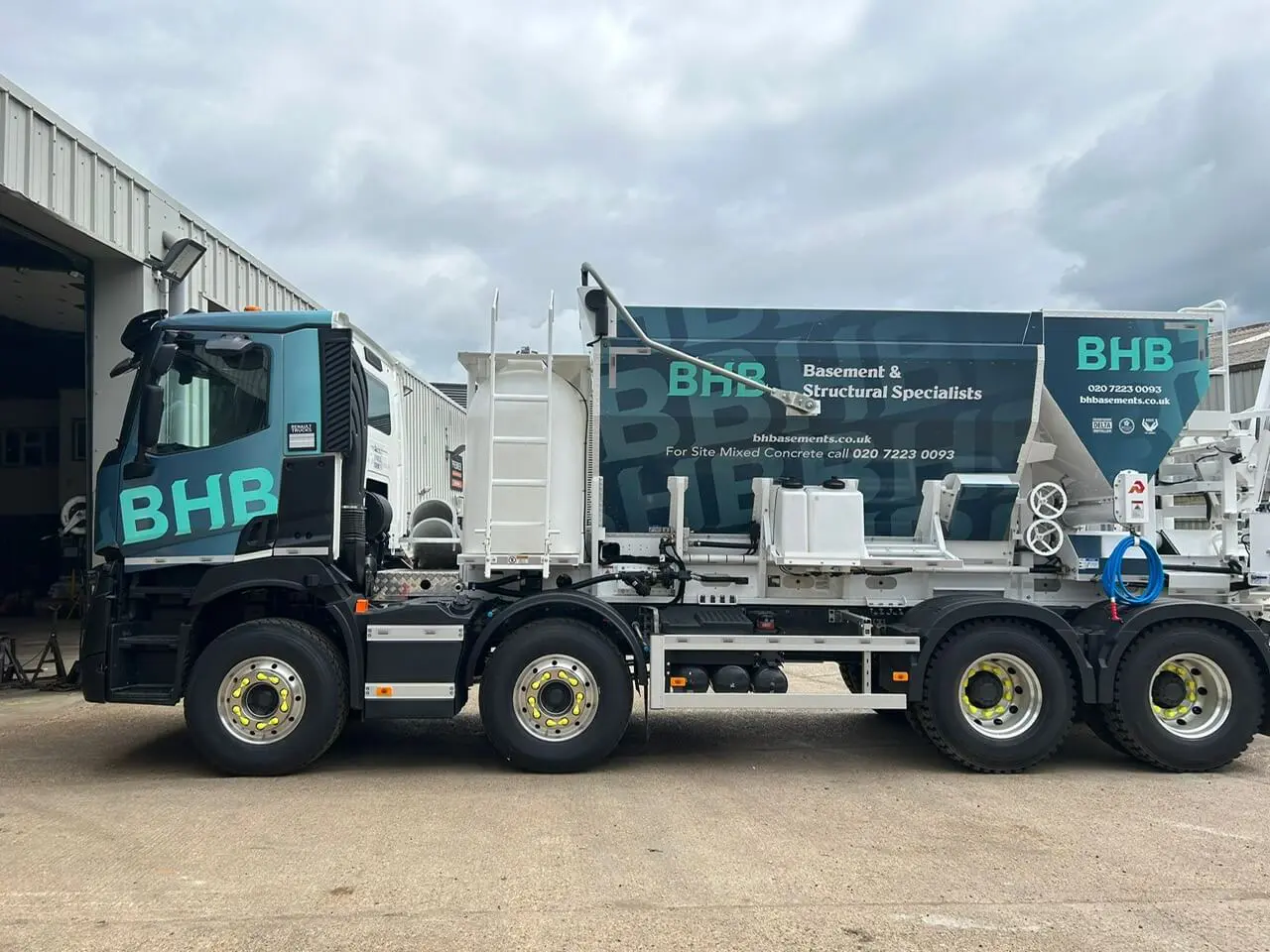
We provide concrete delivery and pumping support, including volumetric concrete and ground line pumping options for Central London projects. That matters because accurate supply and practical placement help keep structural works moving with fewer avoidable interruptions.
A basement project should create a dry, usable and durable space. That outcome depends on more than the final finish. It depends on the decisions made before the first concrete pour.
Concrete testing supports future value because it gives the structural team evidence that the work matches the specification. It also helps protect the programme from uncertainty at key stages.
For homeowners, this can mean fewer surprises during the build and more confidence in the final structure. For designers and project teams, it gives a clearer record of quality control and helps support informed decisions as the work progresses.
That is why concrete testing should sit within the early planning conversation. It links directly to structure, waterproofing, sequencing and long-term performance.
A high-quality basement starts with disciplined planning. Before you focus on flooring, lighting, joinery or decoration, make sure the structure has the right technical process behind it.
BH Basements can support homeowners, architects and developers with basement construction from early planning through to handover. Their experience in complex structural shells, waterproofing coordination, concrete delivery and site sequencing gives clients a more controlled route through a demanding build.
If you want to begin before summer, now is the right time to review the details that will shape the final result. Early concrete testing, careful construction planning and experienced specialist input can help you create a safer, drier and more durable basement with fewer avoidable risks during the build.
Basement Construction
For further information about BH Basements, please do not hesitate to get in touch. We are always happy to help.

For more captivating insights and expert advice, delve into BH Basements’ diverse range of blog articles.
We provide concrete delivery and pumping across Central London, including a ground line pump for...
Our basement construction service covers projects from soil analysis and pre-construction planning through to the...

Building a basement is a significant investment and ensuring that it remains dry and protected...