
Ready Mix Concrete in Autumn: What Should Be Agreed Before the Pour?
RC Framework
We provide concrete delivery and pumping across Central London, including a ground line pump for...
Choosing a basement contractor in London should start with the way the contractor plans to deliver the work, not with the headline tender figure. On complex London schemes, the appointment can affect excavation sequencing, temporary works, waterproofing coordination and the route from design into construction.
For architects, developers, project managers, structural engineers and client-side representatives, the strongest comparison comes from evidence. Relevant project experience, clear scope and practical pre-construction input help the team understand what each contractor can deliver before appointment.
A contractor can only price and programme a basement accurately when the project team defines the intended scope. The tender information should make clear which party will take responsibility for excavation, temporary works, piling, reinforced concrete construction and waterproofing.
Basement packages often contain interfaces between consultants and specialist trades. If the tender leaves those interfaces unclear, two prices may appear comparable even though each contractor has allowed for different work.
A clearer scope gives the design team a better basis for resolving responsibility. It also helps the client understand which items sit inside the contract and which remain with another consultant, supplier or contractor.
General construction experience does not automatically demonstrate experience in complex basement work. Ask for projects with similar structural scope, site access and surrounding conditions.
Central London sites can restrict plant movement, concrete delivery and spoil removal. Existing buildings and neighbouring structures can also influence the construction sequence. A contractor should explain how previous projects dealt with comparable conditions and what its team delivered.
Review the contractor’s role in each example. A company may have worked on a large basement scheme without taking responsibility for the structural shell or temporary works. Scope matters when you compare experience.
We deliver basement construction and structural shell works in London and supports projects from soil analysis and pre-construction planning through to the waterproofed structural shell.
Good pre-construction input should test how the structural design will work on the real site. The contractor should review access, excavation sequence and temporary works requirements with the wider design team.
This process can identify practical conflicts while the team still has time to resolve them. A pile position may suit the permanent design but restrict temporary works. A structural detail may work on paper but create difficult access for reinforcement or concrete placement.
For the client, early buildability input gives the programme and cost plan a stronger basis. It also helps architects and engineers understand where construction constraints may affect the developing design.
If you are preparing to appoint a basement contractor in London, speak with us while the construction methodology still has scope for review.
We work with project teams on basement excavation, piling, temporary works, structural shell construction and waterproofing. Early discussion can help the team test access, sequencing and package interfaces before construction starts.
Basement construction creates points where one work package affects another. The contractor should explain how it will coordinate temporary works with excavation and permanent structure installation. It should also show how design queries move between the site team, structural engineer and other consultants.
BH Basements states that its basement construction service runs from soil analysis and pre-construction methodology through to completion of the waterproofed structural shell. Its temporary works service covers the enabling, demolition and excavation stages that allow permanent works to proceed.
That construction planning can make future decisions easier because the team understands how each stage connects to the next.
Ask who develops the waterproofing strategy and how the contractor will coordinate it with the reinforced concrete structure. The team should resolve joints, penetrations and other interfaces before those details become difficult to change on site.
BH Basements says a CSSW-qualified professional designs its waterproofing systems. The company also works across Types A, B and C systems and selects the approach for the specific project.
The useful procurement question is who owns the design, who installs the system and what information the contractor will provide at handover.
A lower tender can carry a different scope, assumptions or exclusions. Compare the commercial information line by line before choosing a contractor.
Ask each tenderer to explain:
Using the same questions across the shortlist makes the comparison more useful. It also gives the client a clearer record of the assumptions that supported the appointment.
Strong project management should create clear outputs. The contractor should identify who manages the programme, who leads day-to-day site decisions and how the project team records changes.
Ask how often the contractor reports progress and how it escalates technical issues. Also check how the team manages procurement information that could affect later stages.
Our directors Thomas Job and Chris Barry personally oversee projects alongside its wider team. The company is also an ASUC member. These points support due diligence, but the project team should still review the proposed management structure for the specific job.
The contractor should explain the insurance and warranty arrangements that apply to the proposed scope. Clients should review the actual terms and understand what each policy covers.
We offers ten-year insurance-backed latent defect cover for structural works. It also provides separate warranty arrangements for waterproofing. The project team should confirm the project-specific position during procurement.
Agree the drawings, product information and warranty records that the contractor will provide at completion. This gives the client a clear record of the completed works and useful information for future management.
The appointment should leave the client and consultants with a clear understanding of scope, responsibilities, construction sequence and commercial assumptions. That level of detail is more useful than broad claims about quality or experience.
When choosing a basement contractor in London, focus on evidence from comparable projects and the contractor’s pre-construction approach. Review the people who will manage the job and the information they will provide throughout delivery.
A well-defined appointment gives the project team a stronger starting point. It supports coordination and makes programme or cost decisions easier to assess as the project develops.
BH Basements works with project teams across London on basement construction, piling, temporary works and structural waterproofing.
If you are comparing contractors or preparing a scheme for construction, contact us to discuss the proposed scope, site constraints and delivery strategy before you make the appointment.
Basement Construction
For further information about BH Basements, please do not hesitate to get in touch. We are always happy to help.

For more captivating insights and expert advice, delve into BH Basements’ diverse range of blog articles.
We provide concrete delivery and pumping across Central London, including a ground line pump for...
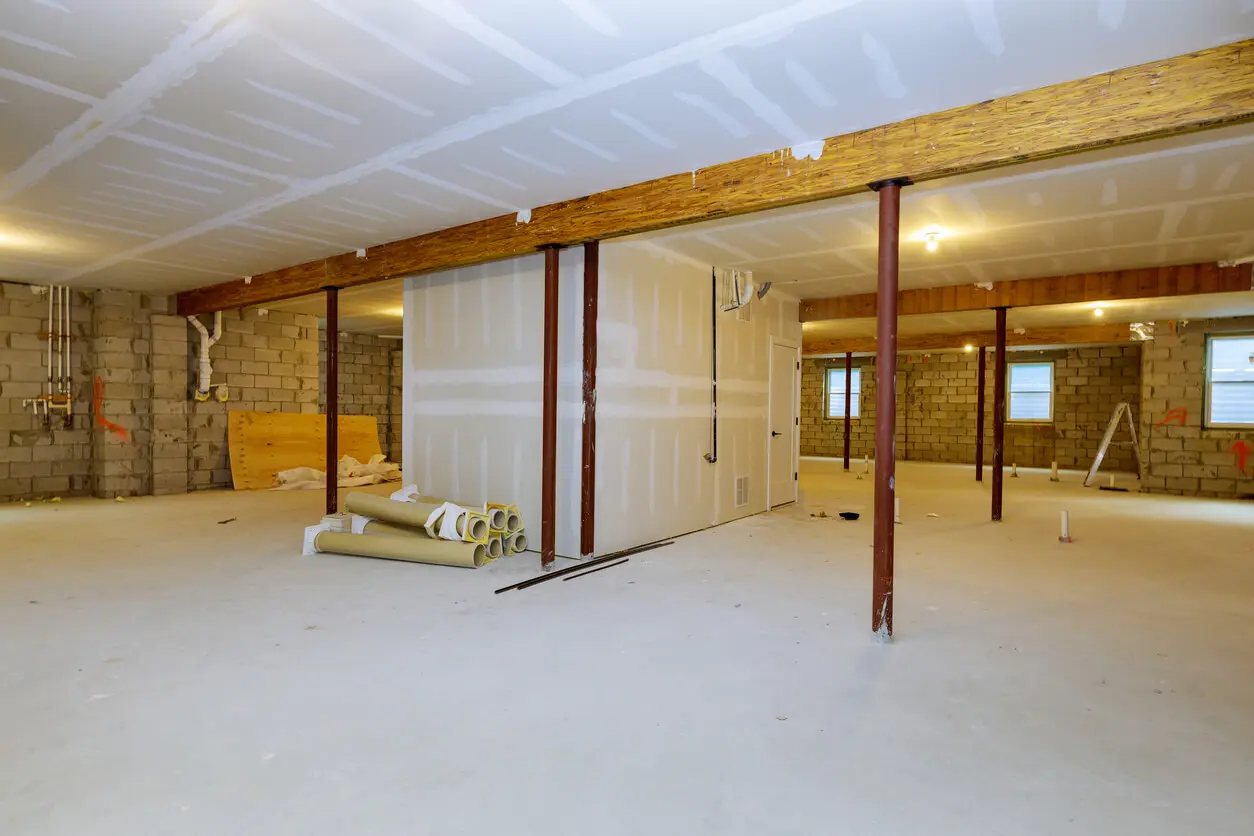
Our basement construction service covers projects from soil analysis and pre-construction planning through to the...

Building a basement is a significant investment and ensuring that it remains dry and protected...