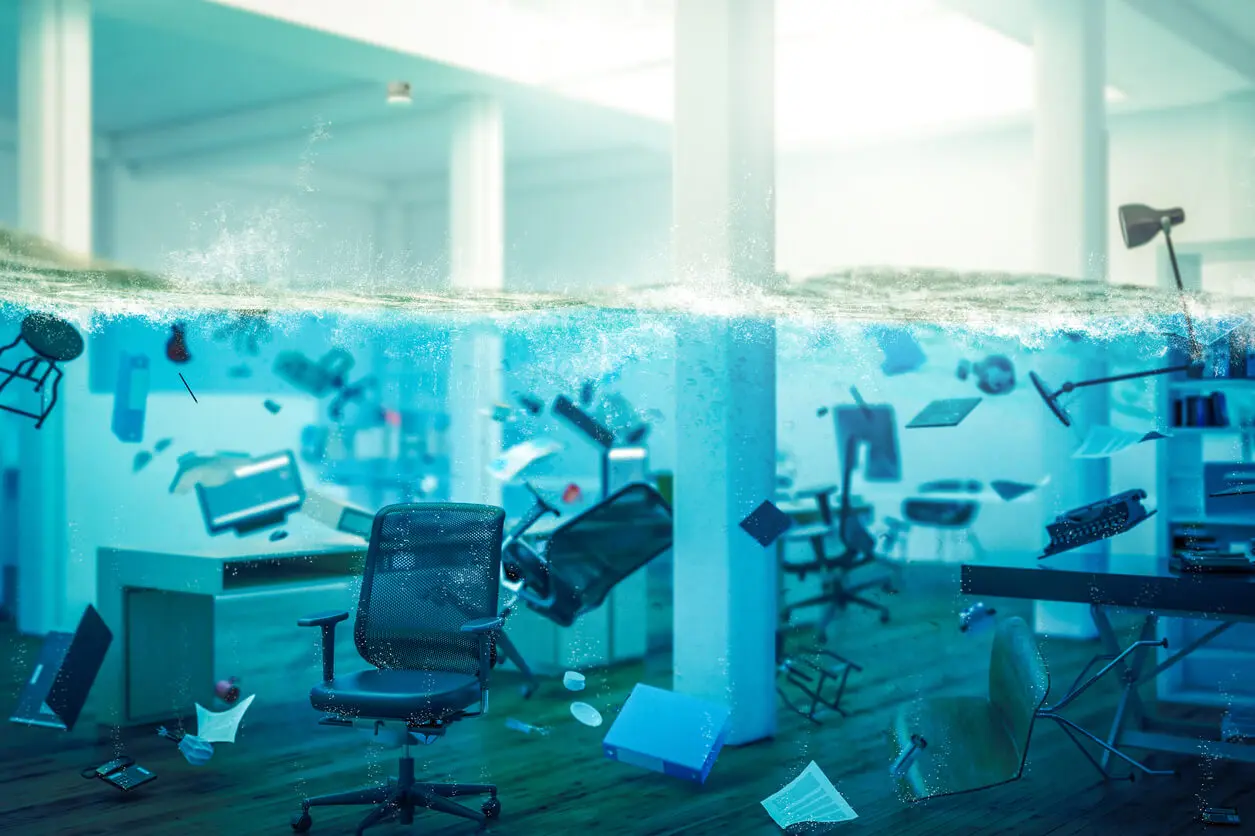
How to Know if Your Property Needs Basement Underpinning
Basement Underpinning
Discover how to build a safe, durable commercial basement in London. Avoid structural risks and...
Recurring damp or leaks in a converted basement do not always point to a failed surface coating. In many cases, the wider waterproofing design has not accounted properly for water pressure, drainage, existing construction or changes made during the conversion.
Basement tanking can perform well when the chosen system suits the structure and the expected water conditions. Problems often appear when the barrier design does not account for the pressure, when joints or penetrations interrupt continuity, or when water has no controlled route away from the structure.
For architects, developers, structural engineers and project teams, the first task is to identify how water reaches the basement and how the original waterproofing strategy intended to manage it.
A converted basement has to work with an existing structure. Walls and floors may contain previous repairs, old coatings, new service penetrations or junctions between different construction periods. These conditions can complicate waterproofing because the designer cannot start with a completely new shell.
The project team should review the existing construction before choosing a remedial system. A visible damp patch may show where moisture appears inside the room, but it does not always reveal the point where water enters the structure.
Groundwater can also create hydrostatic pressure against retaining walls and floors. Type A waterproofing uses a barrier to resist water ingress. If the design, substrate or detailing cannot cope with the expected pressure, water can exploit defects at joints, penetrations and changes in material.
That is why diagnosis matters before repair. The project team needs to understand the water source, the structure and the existing system before specifying new work.
Water conditions around a basement can change over time. Prolonged rainfall, local drainage conditions and changes in groundwater can increase the pressure acting on below-ground construction.
When basement tanking uses a Type A barrier, the system depends on continuity. The installer needs a suitable substrate and correctly detailed junctions so the barrier can work as intended.
Cracks, weak wall-to-floor details or poorly sealed penetrations can create routes for water. The leak may then appear somewhere away from the original defect. Water can travel through cracks, joints or voids before reaching an internal finish.
Local patching may deal with the visible symptom without resolving the source.
For converted properties, this creates a commercial problem as well as a technical one. Repeated repairs can affect finishes, delay occupation and add cost without giving the project team a reliable diagnosis.
Type C waterproofing manages water differently. It uses cavity membranes and drainage routes to direct incoming water to a suitable discharge point, often through a sump and pump arrangement.
The membrane forms one part of the system. Drainage channels need enough capacity, pumps need a suitable specification and the design needs access for future inspection and maintenance.
If water cannot move through the planned route, pressure or accumulation can create leaks and flooding. Permagard also notes that blocked drainage or pump problems can cause Type C systems to fail.
Conversions can make these details harder to resolve because existing floor levels, services and layouts may restrict drainage routes. The designer should establish where water can travel, how the system will remove it and how maintenance teams can reach the relevant components later.
If a converted basement already shows recurring damp or water ingress, investigate the waterproofing strategy before adding new finishes.
BH Basements works across structural waterproofing and basement construction in London. The company supports projects from soil analysis and pre-construction methodology through to the waterproofed structural shell. Its current service information also confirms experience with Type A, B and C waterproofing systems.
Contact BH Basements if you need specialist input on a converted basement where the existing waterproofing no longer performs as expected.
System design does not remove the need for careful installation. Type A coatings and membranes depend on the condition of the substrate and the detailing around them.
Existing walls may carry paint, failed coatings, loose material or previous repairs. The installer needs to prepare the surface in line with the selected product and specification. The team also needs defined details around joints, corners and service penetrations.
Good preparation supports the system, but it cannot correct a strategy that does not match the water risk. If the basement faces significant pressure, drainage limitations or structural movement, the project team needs to address those conditions as part of the overall design.
The investigation should start by identifying the existing waterproofing type and the likely route of water ingress. The team can then compare the system with the structure, groundwater information and drainage arrangements.
For a Type A system, the review should consider joints, penetrations, repairs and changes in substrate. For a Type C system, the team should inspect drainage channels, sumps, pumps and maintenance access.
Where a project combines waterproofing types, the assessment should look at how the systems interact.
This gives the structural engineer, waterproofing specialist and contractor a common basis for deciding what needs to change. It also gives the client-side team clearer information about likely scope before it commits budget to remedial work.
Converted properties often need structural alterations as part of the wider project. New openings, underpinning, piling or changes to reinforced concrete work can create new waterproofing interfaces.
The project team should coordinate those details before construction restricts access to them. Waterproofing needs to respond to the final structural arrangement, and the construction sequence needs to protect completed waterproofing from later damage.
We take basement projects from early construction planning through excavation and completion of the waterproofed structural shell. A CSSW-qualified individual develops its tanking designs, according to the company’s current waterproofing information.
This integrated approach gives the wider design team an opportunity to resolve structural and water-management interfaces before fit-out conceals them.
Recurring leaks need a diagnosis before repair. A local coating may suit a local defect, but a wider issue with pressure, drainage or system continuity can require a different response.
The original design may no longer match the current use or water conditions. Later structural work may also have interrupted a waterproofing detail.
The project team should establish which mechanism causes the failure before choosing the repair.
That approach gives developers and project managers a clearer basis for programme and cost decisions. It also helps the contractor define a remedial scope that addresses the source of ingress instead of repeating surface repairs.
Basement tanking works best when the design reflects the existing structure, the expected water conditions and the way the project will manage water around or through the basement.
We provide structural waterproofing alongside basement excavation, structural shell construction and pre-construction coordination across London. If a converted basement has recurring leaks or damp, contact our team to review the existing conditions and discuss the next stage before further remedial or fit-out work begins
FoundationWaterproofing
For further information about BH Basements, please do not hesitate to get in touch. We are always happy to help.

For more captivating insights and expert advice, delve into BH Basements’ diverse range of blog articles.
Discover how to build a safe, durable commercial basement in London. Avoid structural risks and...
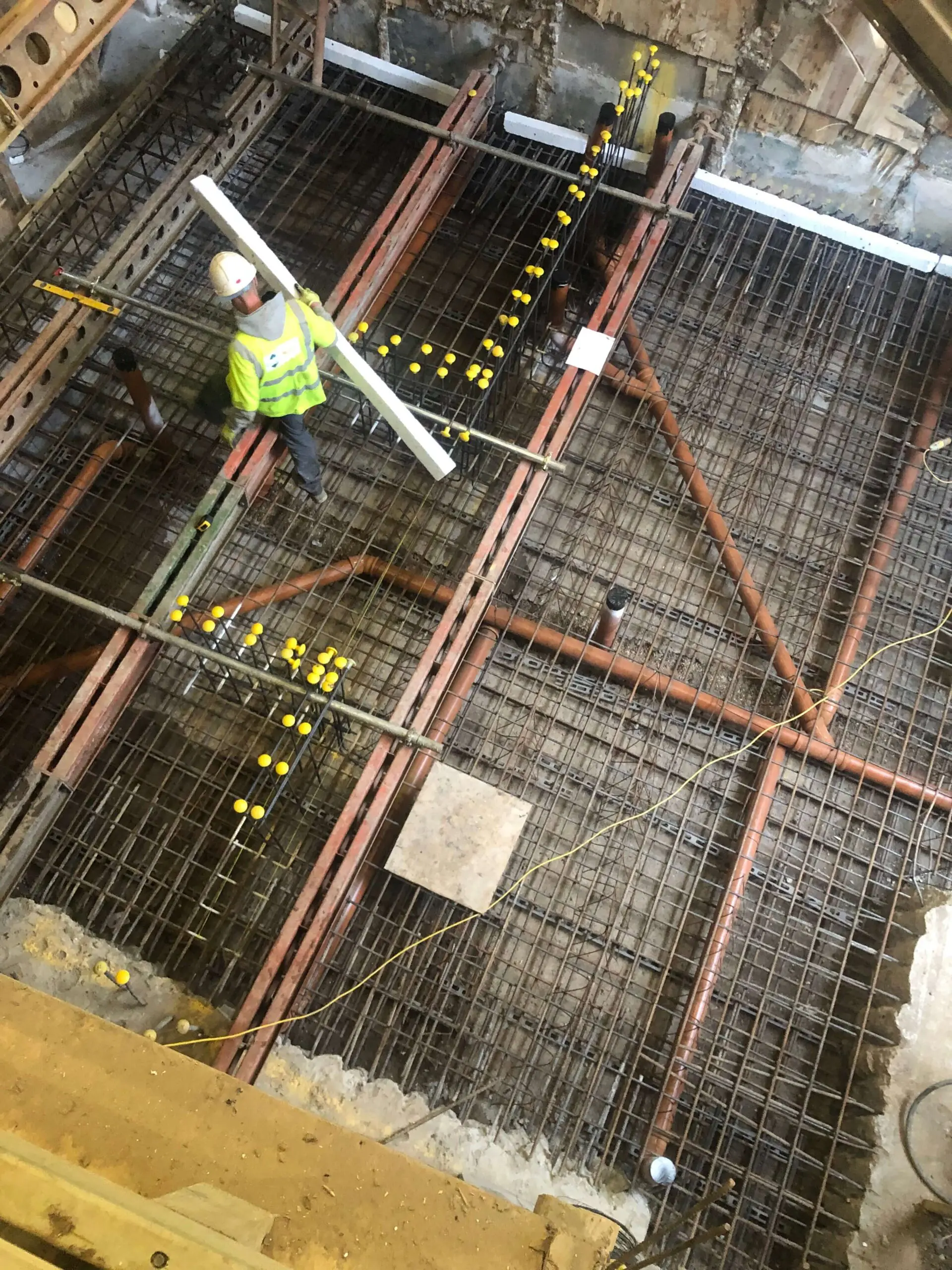
Piling How Concrete Piling Supports Construction on Challenging Sites Wed, 2 Sep 2026 Challenging construction...
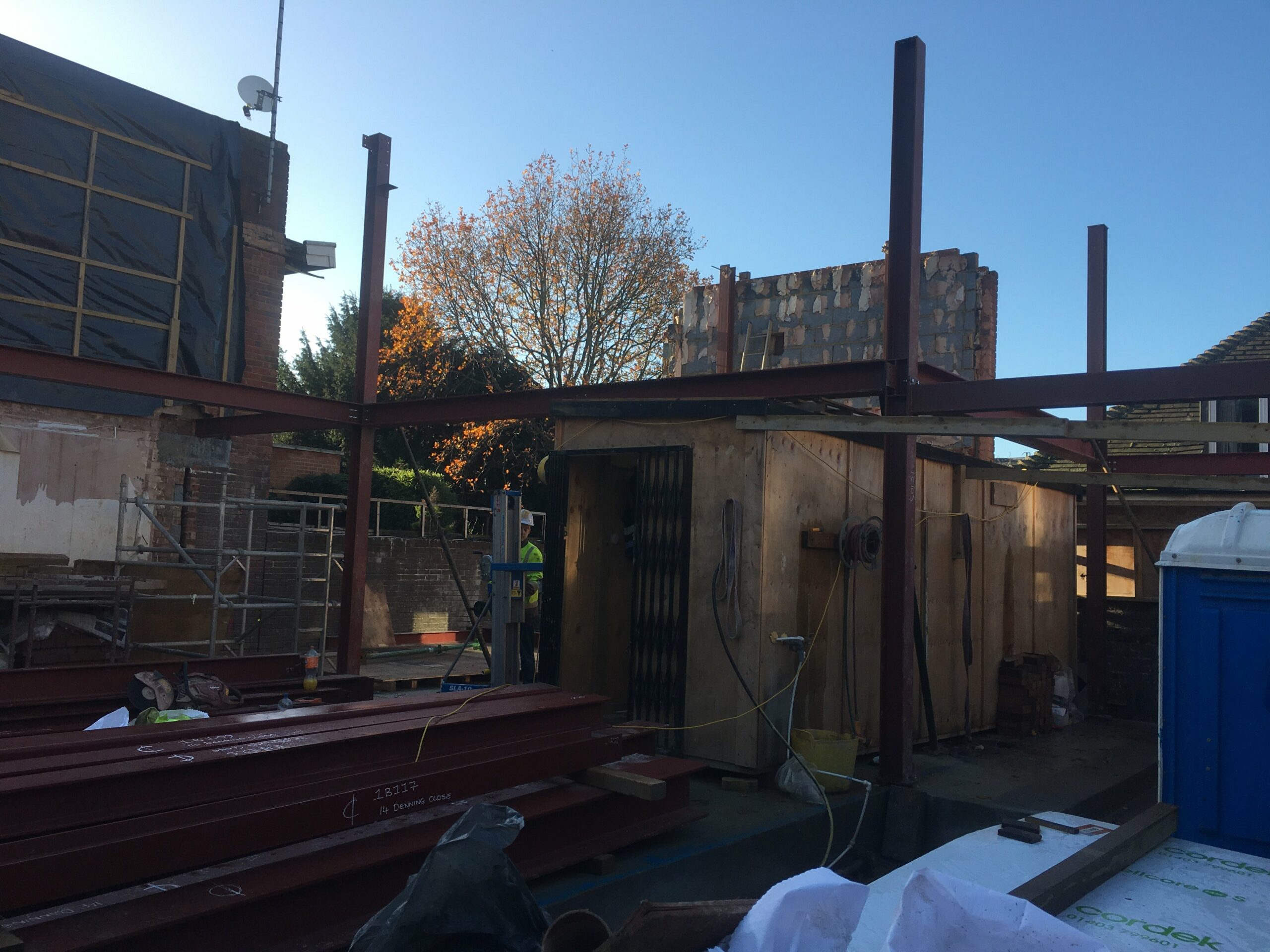
Basement Extensions How Basement Extensions Are Being Used to Maximise Property Value Thu, 27 Aug...